Creating Beautiful Wood Turned Bowls: A Guide for Beginners
Learn the art of wood turning to create stunning bowls with this comprehensive guide for beginners.
Choosing the Right Wood for Turning
When it comes to wood turning, choosing the right wood is crucial. Different types of wood have different characteristics that can affect the final outcome of your bowl. Some popular choices for wood turned bowls include maple, cherry, walnut, and oak. These woods are known for their durability and beautiful grain patterns. It's important to select wood that is free from defects such as knots or cracks, as these can weaken the bowl and make it more prone to splitting.
Another factor to consider when choosing wood for turning is the moisture content. Green wood, which is freshly cut and still contains a high amount of moisture, is ideal for beginners. It is easier to work with and less likely to crack during the drying process. However, seasoned wood, which has been dried and has a lower moisture content, can also be used for turning bowls. Just make sure it is properly dried and stable to avoid any issues.
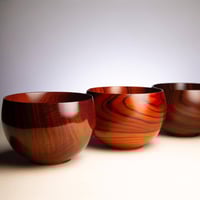
Lastly, consider the color and grain pattern of the wood. Each type of wood has its own unique characteristics that can add visual interest to your bowl. Experiment with different types of wood to create stunning and one-of-a-kind designs.
Basic Tools and Equipment Needed
To get started with wood turning bowls, you will need a few basic tools and equipment. Here are some essentials:
- Lathe: This is the primary tool used for wood turning. It spins the wood while you shape it with other tools.
- Skew Chisel: The skew chisel is a versatile tool that can be used for a variety of cuts. It is commonly used for creating smooth and clean finishes on the surface of the bowl.
- Gouges: Gouges are curved tools that are used for shaping the inside and outside of the bowl. They come in different sizes and shapes, each serving a specific purpose.
- Parting Tool: This tool is used to separate the bowl from the waste wood and create the final shape of the bowl.
- Calipers: Calipers are used to measure the thickness of the wood and ensure consistency throughout the turning process.
- Sandpaper: Sandpaper is essential for smoothing out the surface of the bowl and removing any tool marks or imperfections.
These are just the basic tools needed to get started. As you gain more experience and skills, you can invest in additional tools to expand your capabilities.
Step-by-Step Wood Turning Process
Once you have gathered the necessary tools and selected the right wood, you can begin the wood turning process. Here is a step-by-step guide to help you get started:
1. Mount the wood on the lathe: Securely attach the wood to the lathe using a faceplate or chuck. Make sure it is centered and balanced to avoid any wobbling or vibrations.
2. Rough shaping: Use a roughing gouge to remove excess wood and create a basic shape for the bowl. Start with the outside of the bowl and gradually work your way towards the center.
3. Hollowing the bowl: Switch to a bowl gouge and start hollowing out the inside of the bowl. Take your time and make light cuts to avoid any tear-out or splintering.
4. Refining the shape: Use a skew chisel or gouge to refine the shape of the bowl and create smooth curves. Pay attention to the thickness and symmetry of the walls.
5. Sanding and finishing: Once you are satisfied with the shape, sand the bowl using progressively finer grits of sandpaper. This will remove any tool marks and make the surface smooth. Finally, apply a finish of your choice to protect the wood and enhance its natural beauty.
Remember to take your time and practice patience as wood turning requires precision and attention to detail. With practice, you will be able to create beautiful wood turned bowls.
Adding Decorative Elements to Your Bowls
Once you have mastered the basics of wood turning, you can start adding decorative elements to your bowls to make them even more unique and visually appealing. Here are some ideas to get you started:
- Texturing: Use a texturing tool or wire brush to create interesting patterns and textures on the surface of the bowl. This can add depth and visual interest to your design.
- Coloring: Experiment with different coloring techniques such as wood dyes or stains to add a pop of color to your bowls. You can also try using natural materials such as coffee grounds or tea to create unique and organic-looking finishes.
- Inlay: Inlay involves adding different materials such as crushed stone, metal, or even other types of wood to create intricate designs and patterns. This can be a time-consuming process but the results are well worth the effort.
These are just a few examples of decorative techniques you can use. Feel free to explore and experiment with different ideas to create your own signature style.
Finishing and Maintaining Your Wood Turned Bowls
To ensure the longevity and beauty of your wood turned bowls, it is important to properly finish and maintain them. Here are some tips to help you:
- Sand and finish: After turning the bowl, sand it thoroughly using progressively finer grits of sandpaper. This will remove any tool marks and make the surface smooth. Finally, apply a finish of your choice, such as oil or wax, to protect the wood from moisture and enhance its natural beauty.
- Regular cleaning: To remove any dust or debris, gently wipe the surface of the bowl with a soft cloth or brush. Avoid using harsh chemicals or abrasive cleaners as they can damage the finish.
- Avoid extreme temperatures and humidity: Wood is sensitive to changes in temperature and humidity, which can cause it to expand or contract. Avoid placing your bowls in areas with extreme temperature or humidity fluctuations to prevent cracking or warping.
- Use coasters or trivets: To protect the surface of the bowl from heat or moisture damage, always use coasters or trivets when placing hot or wet items on it.
By following these tips, you can keep your wood turned bowls looking beautiful for years to come.